admin
admin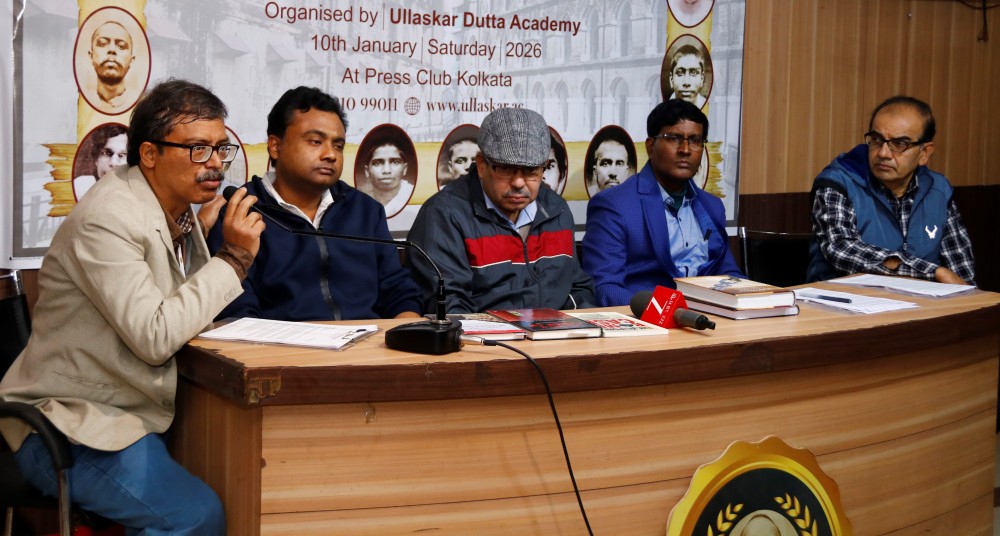
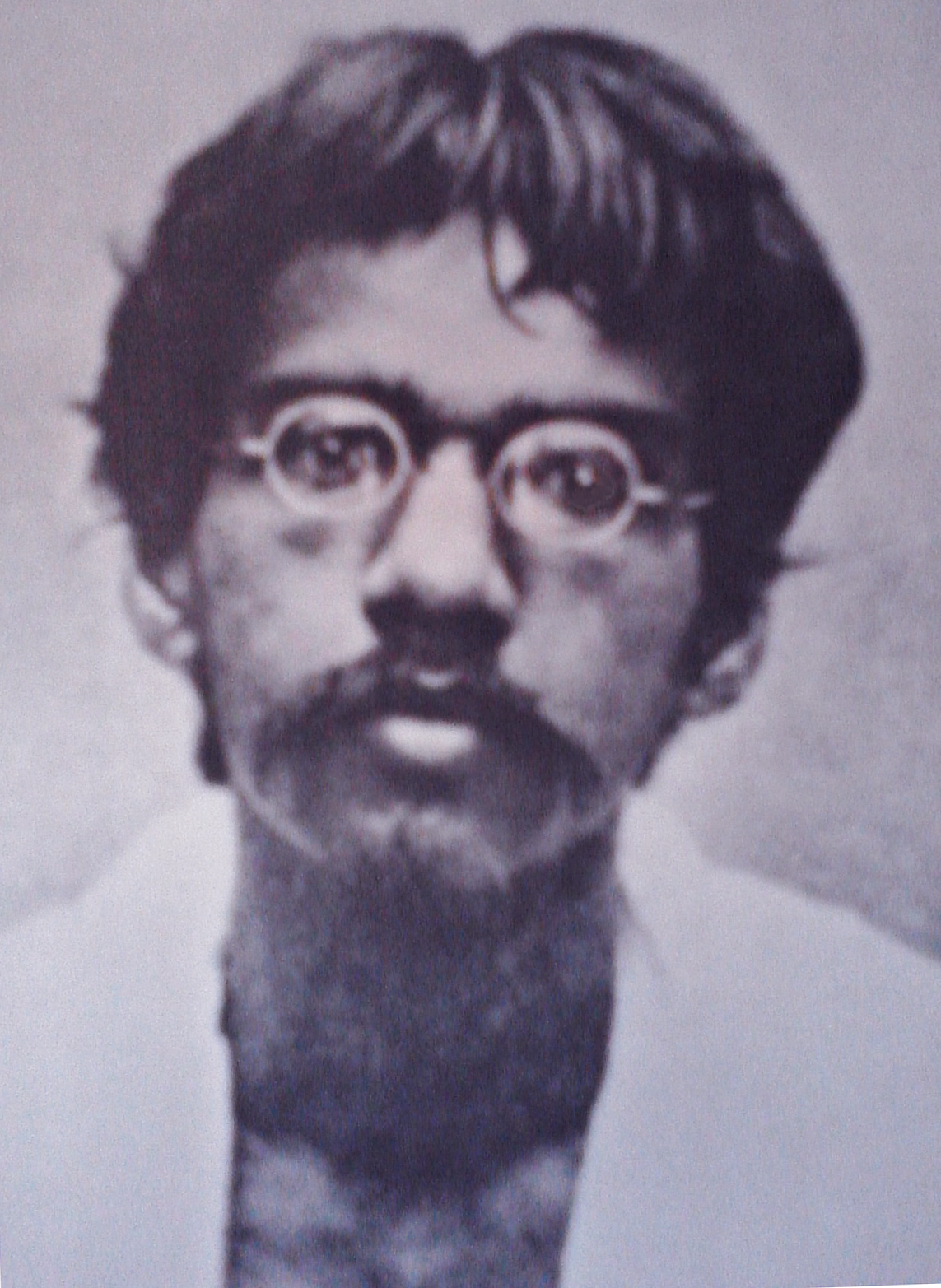
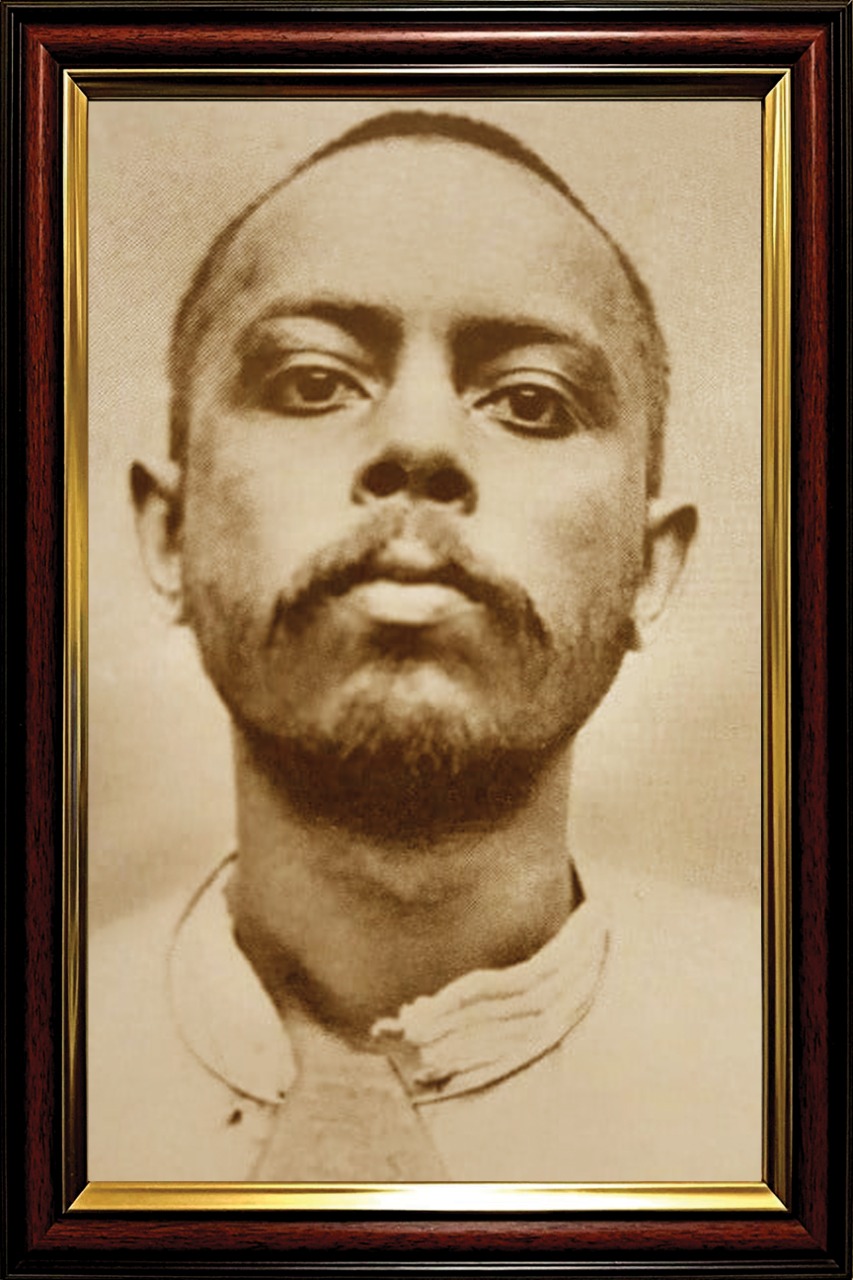
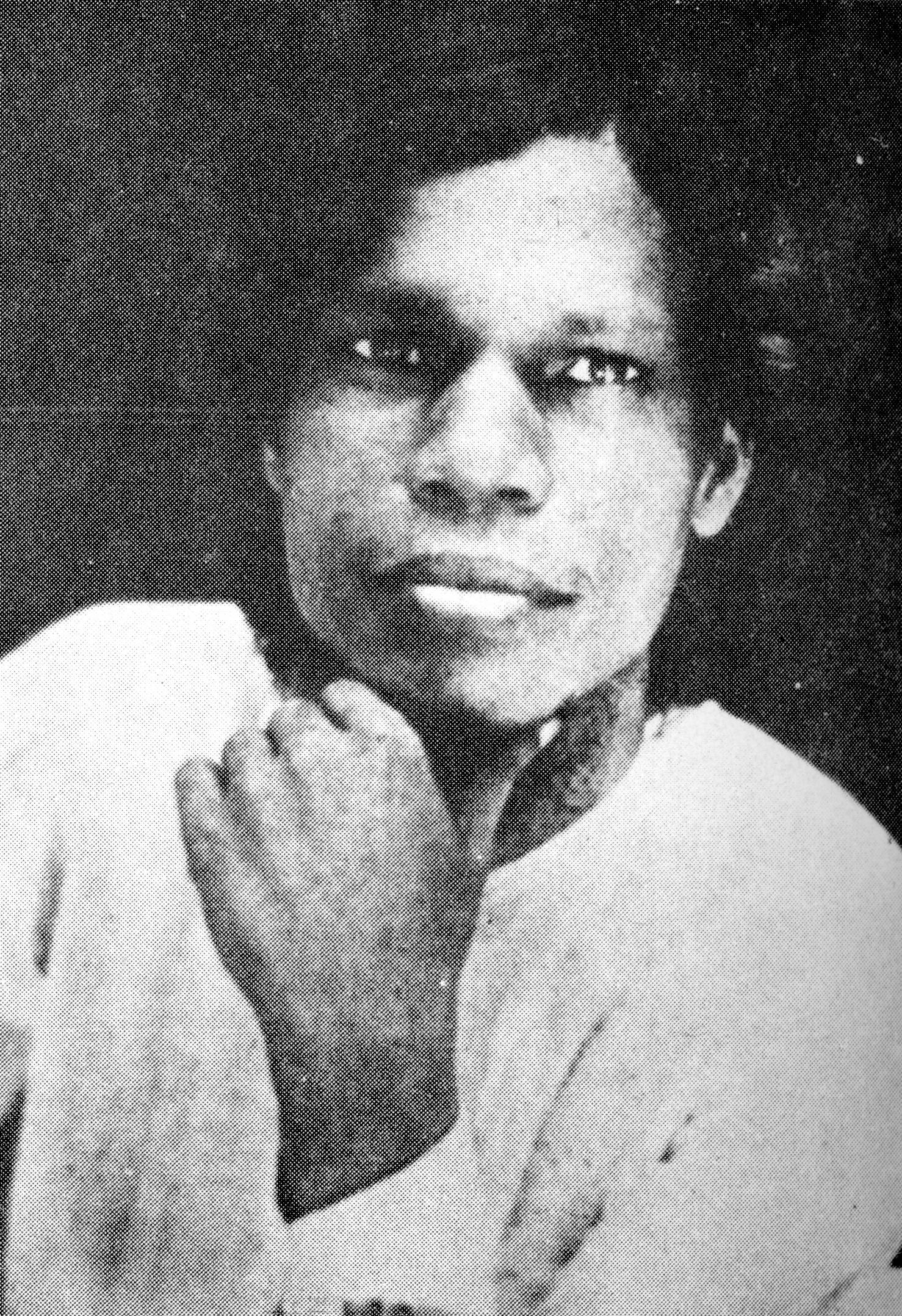
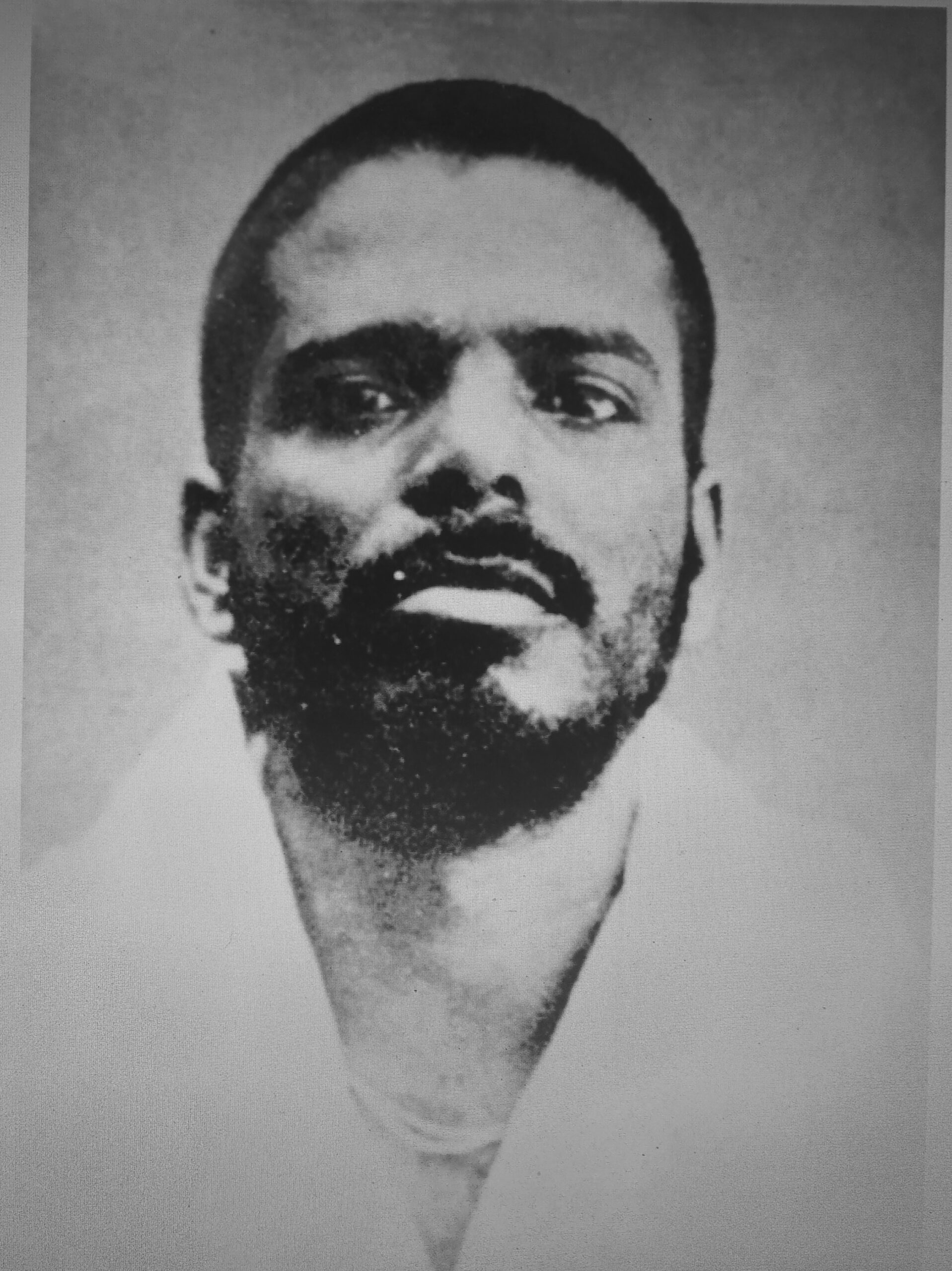
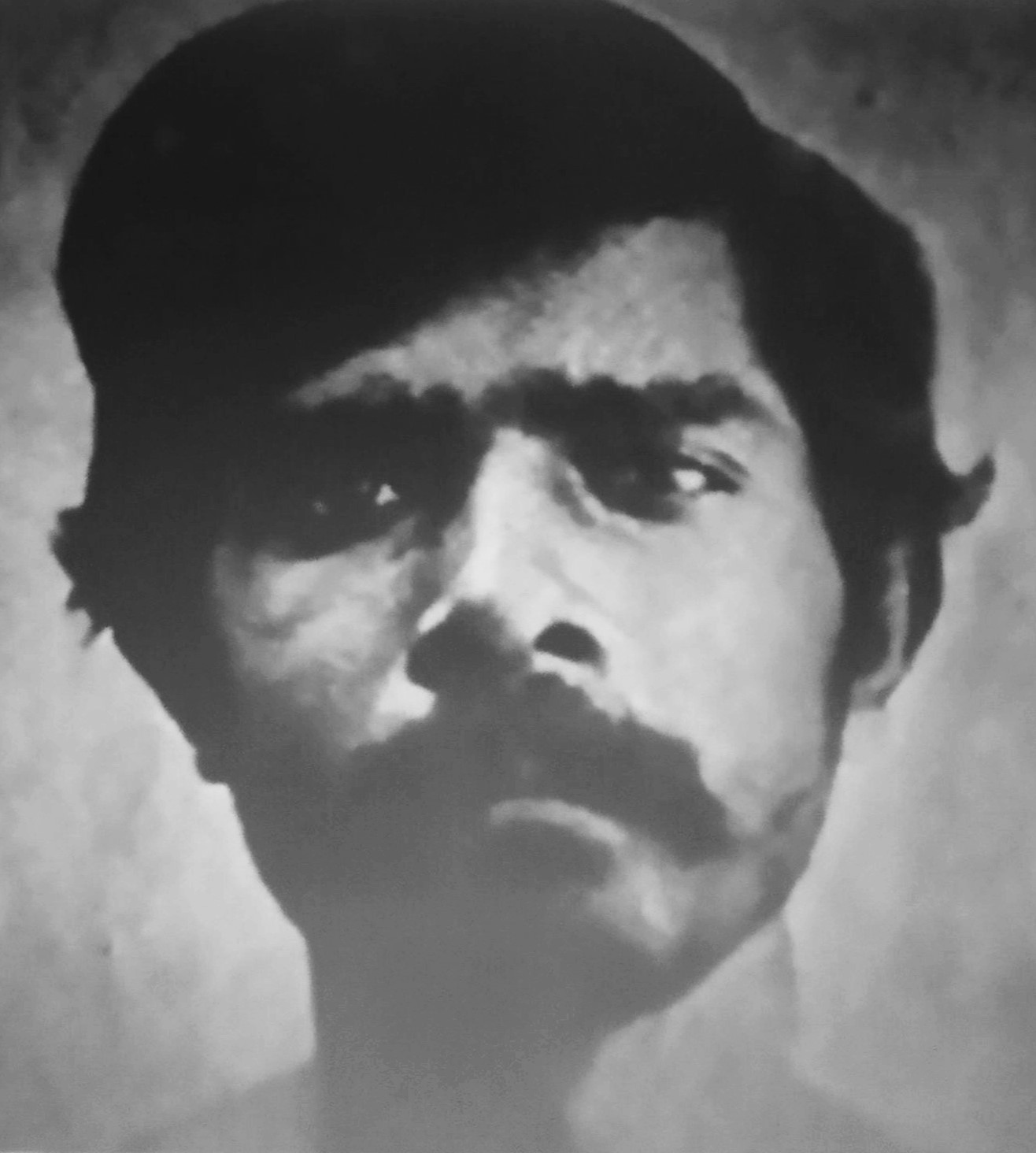
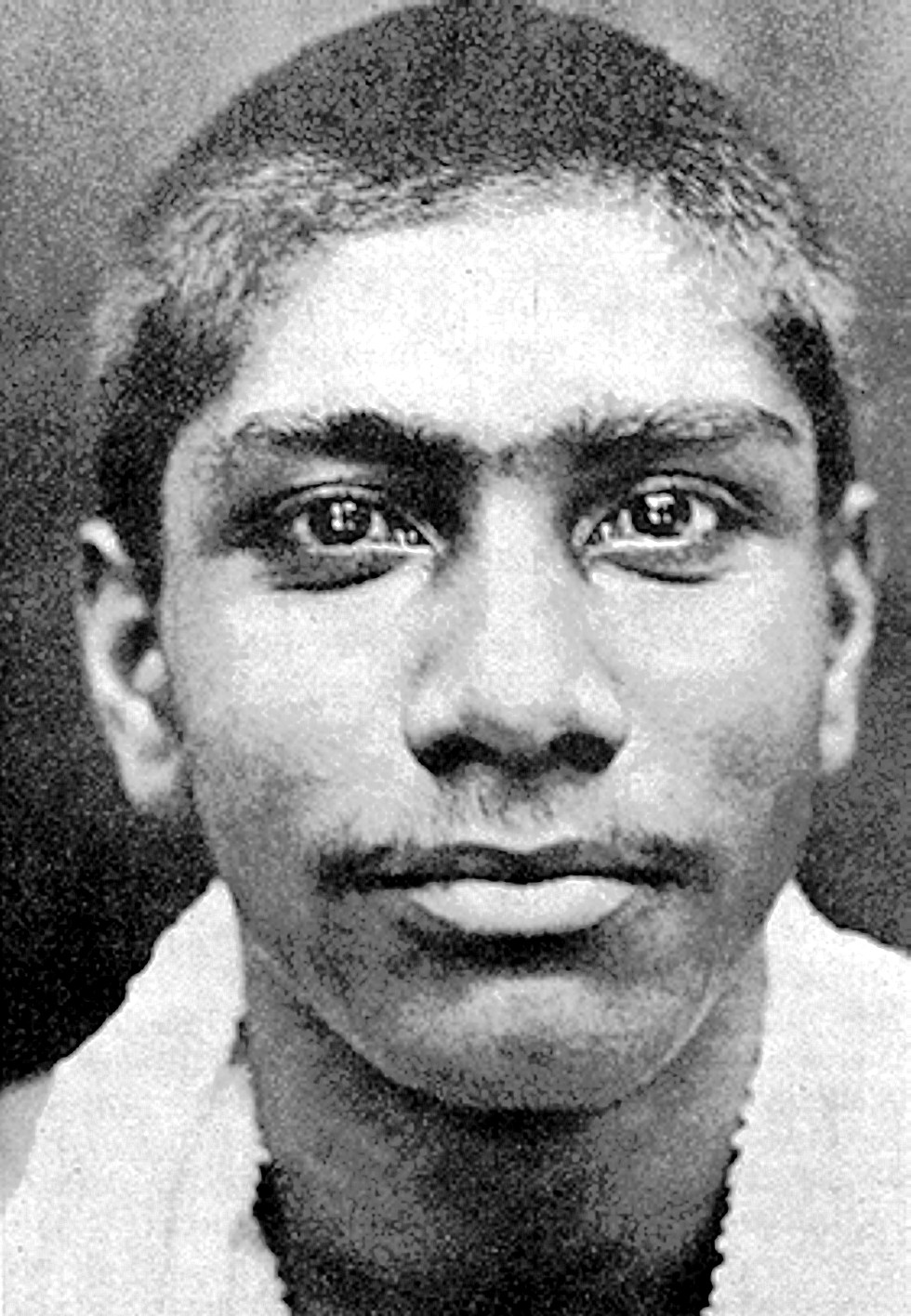
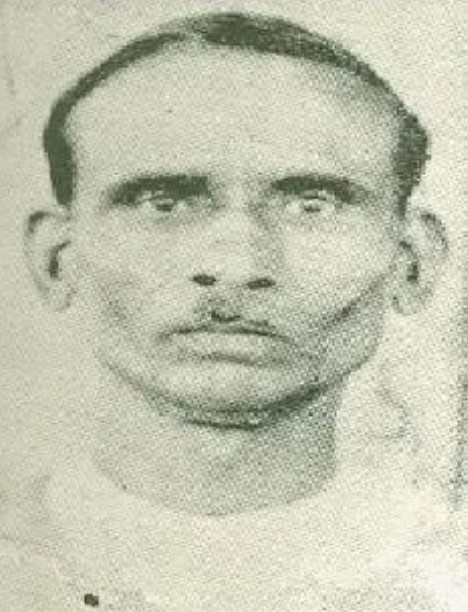
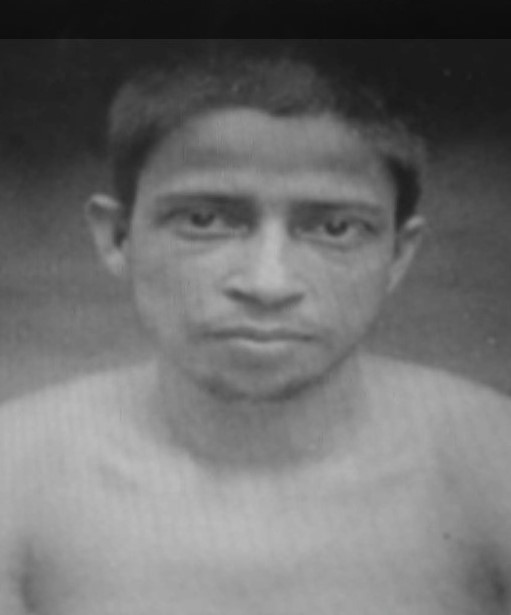
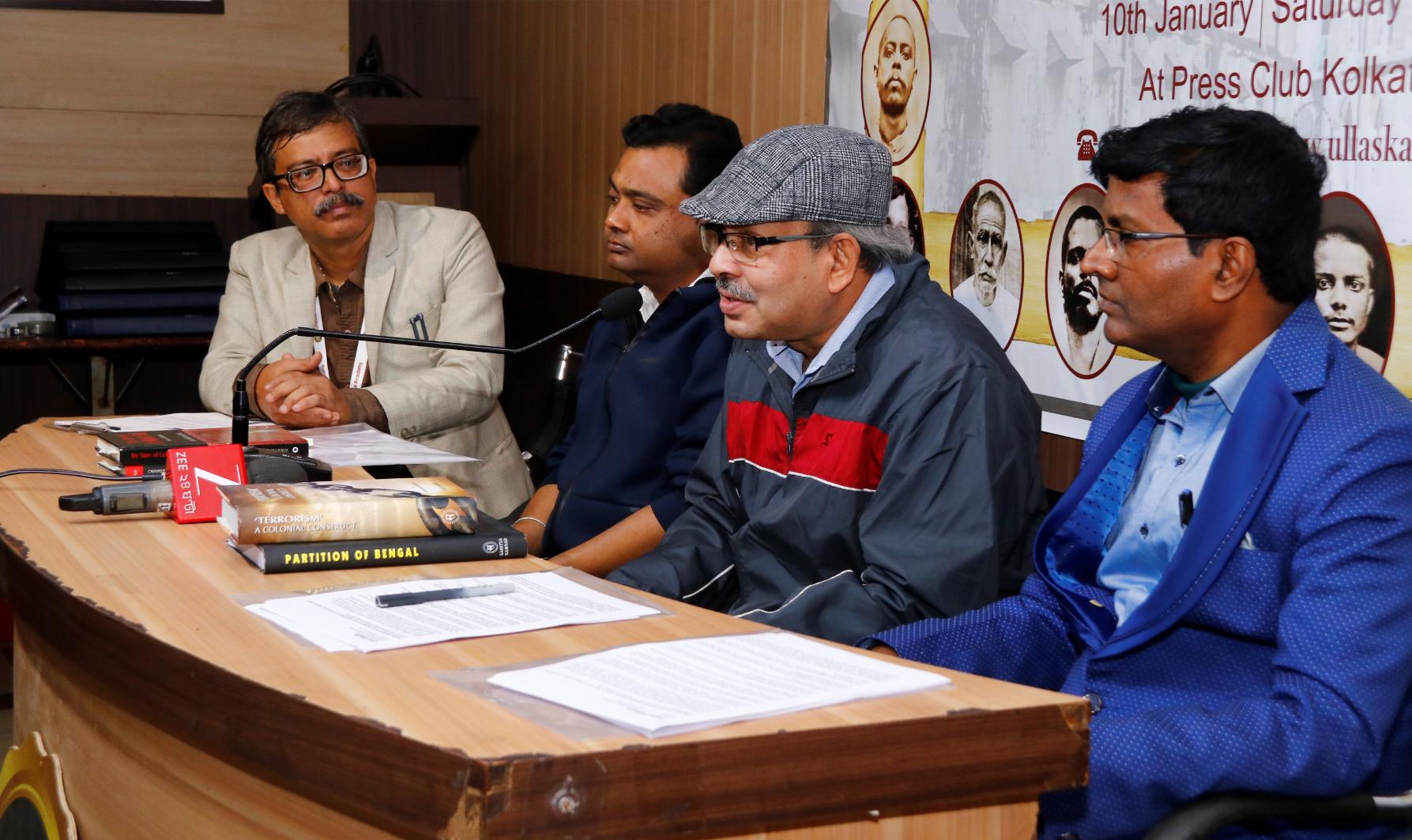
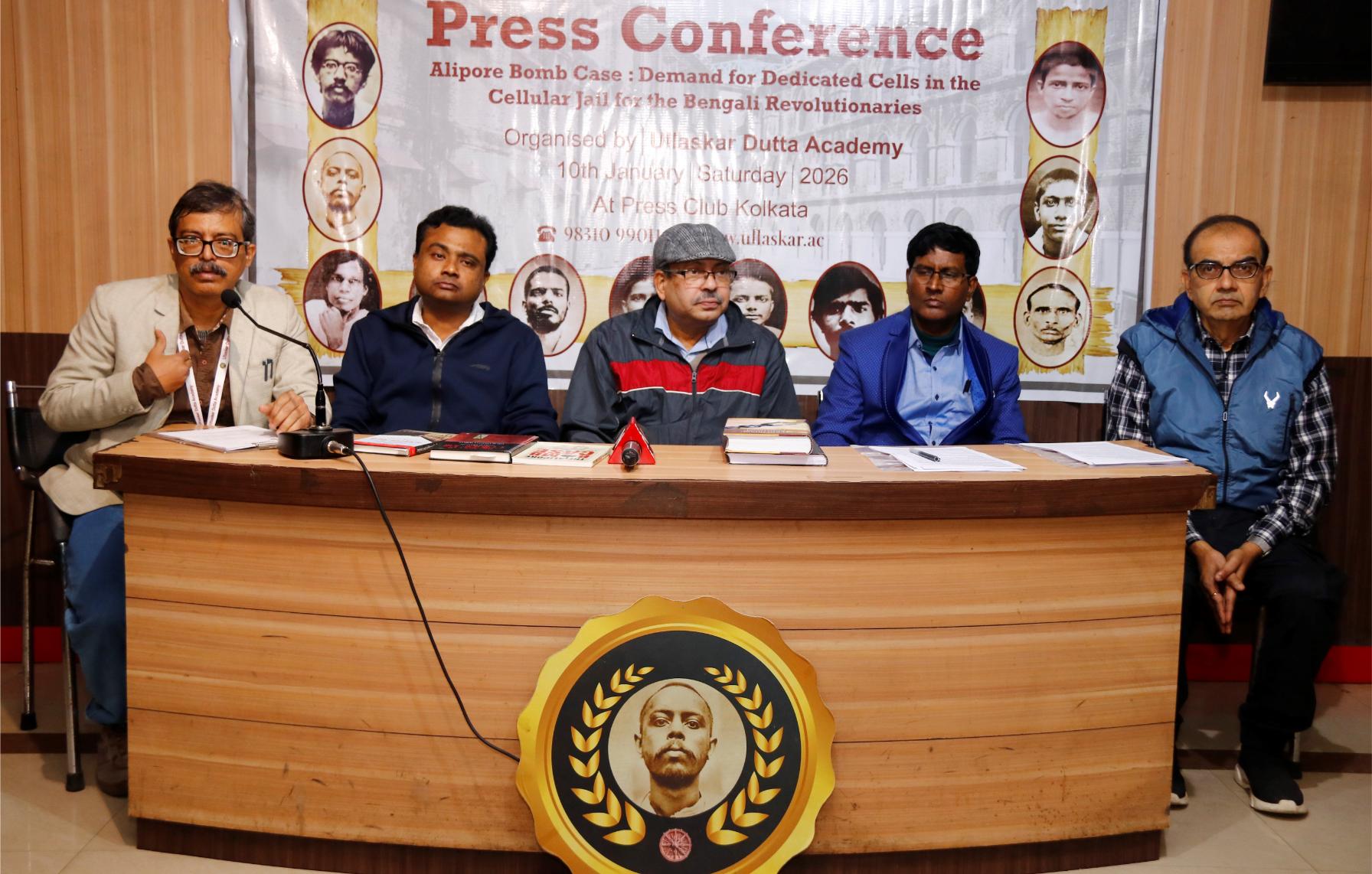
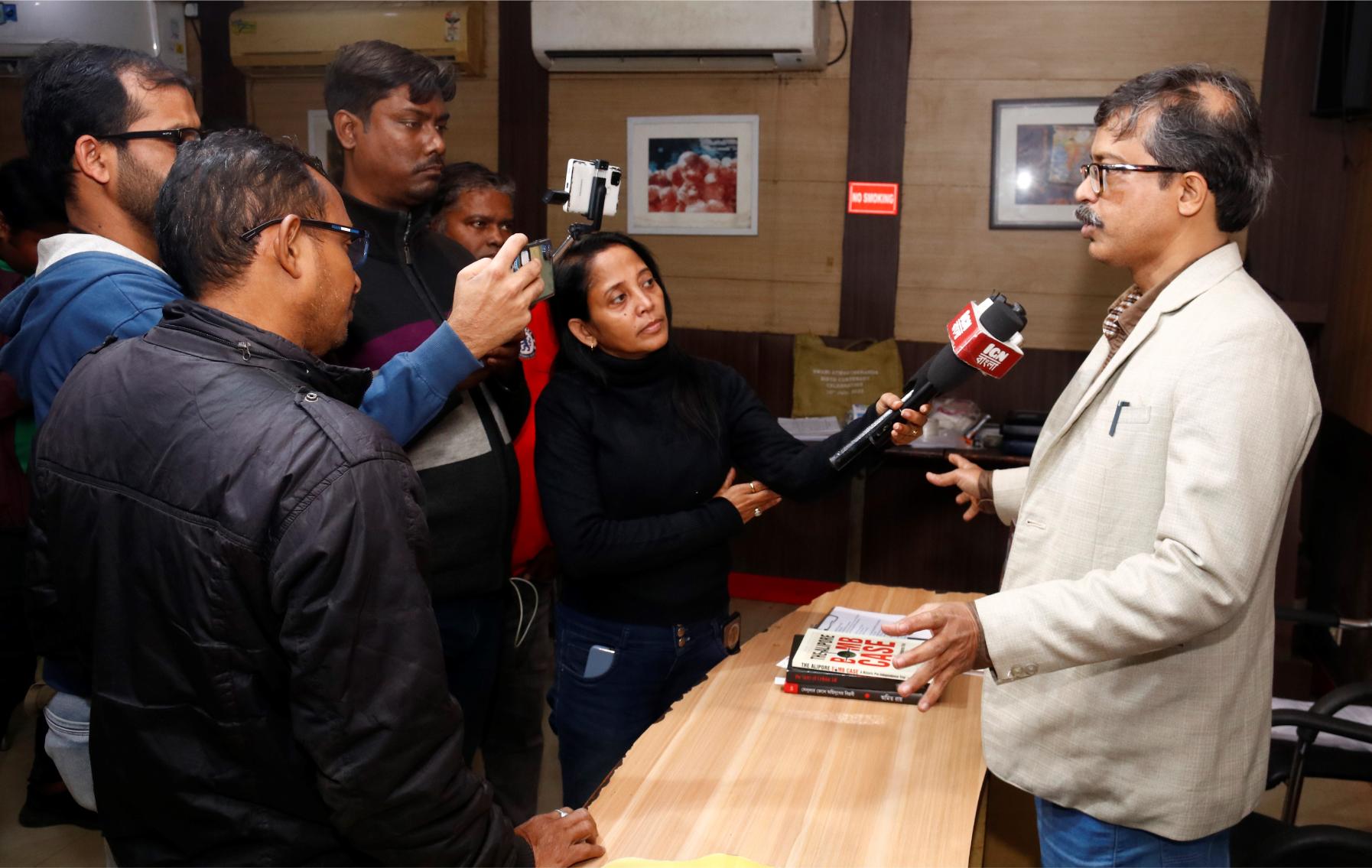
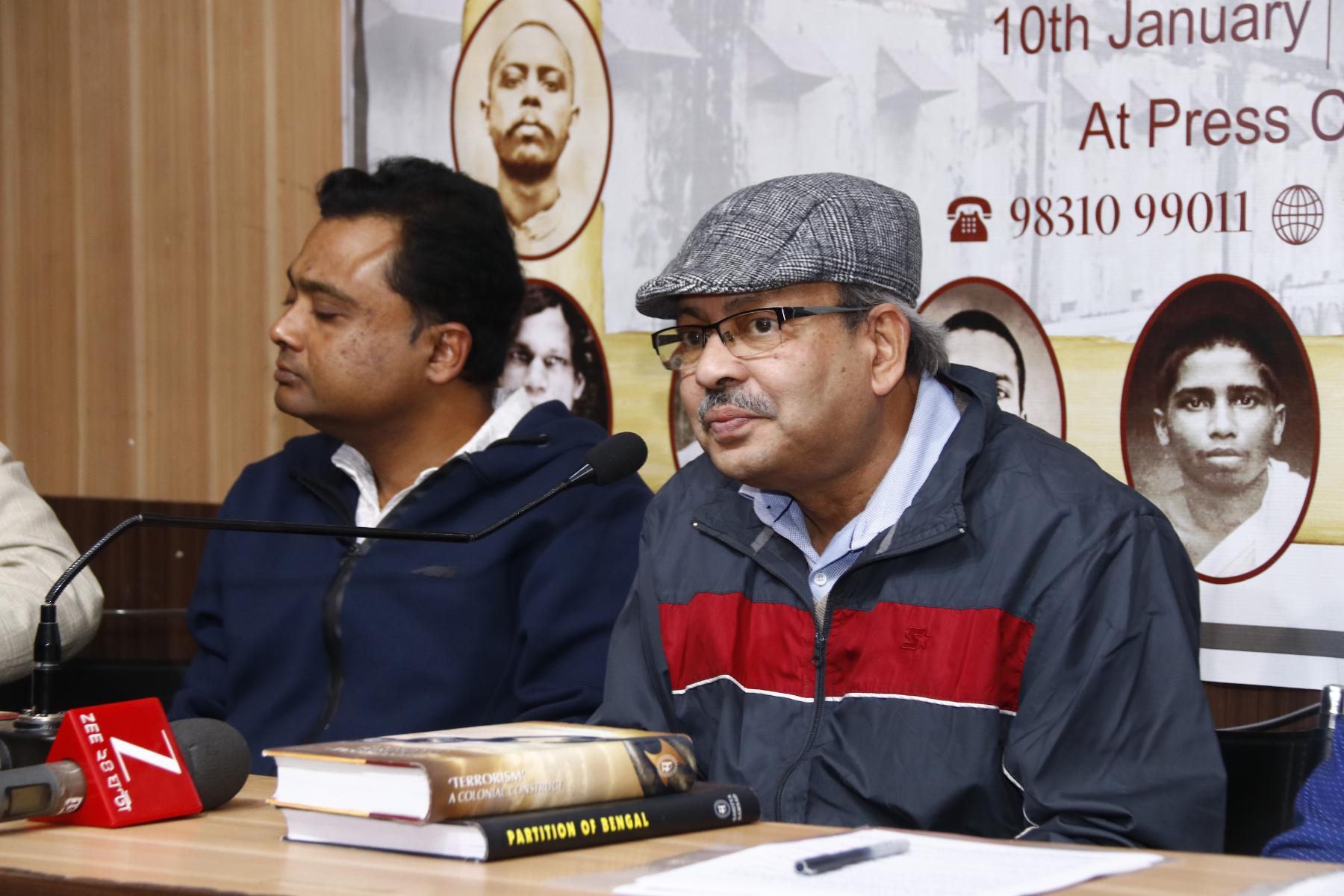
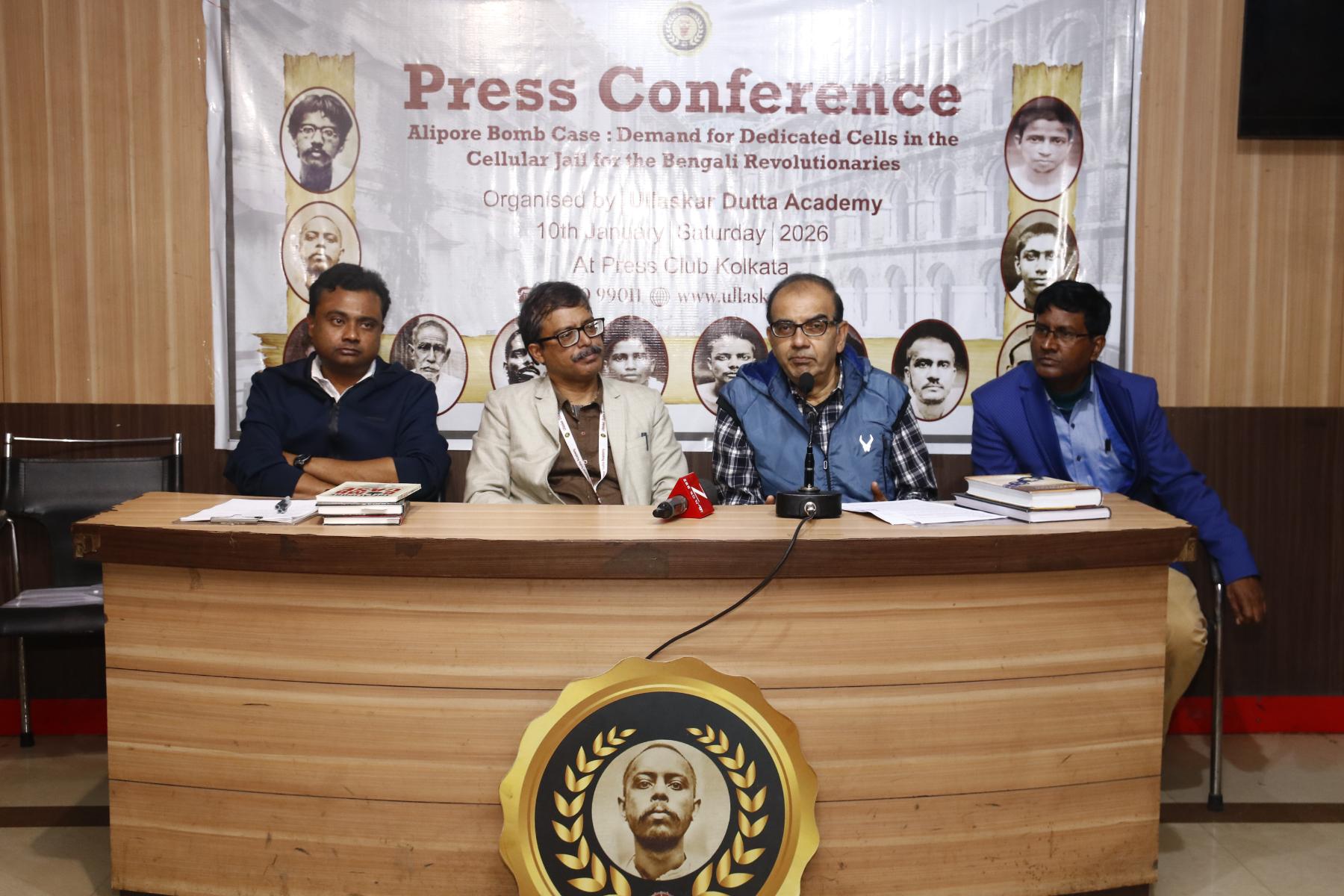
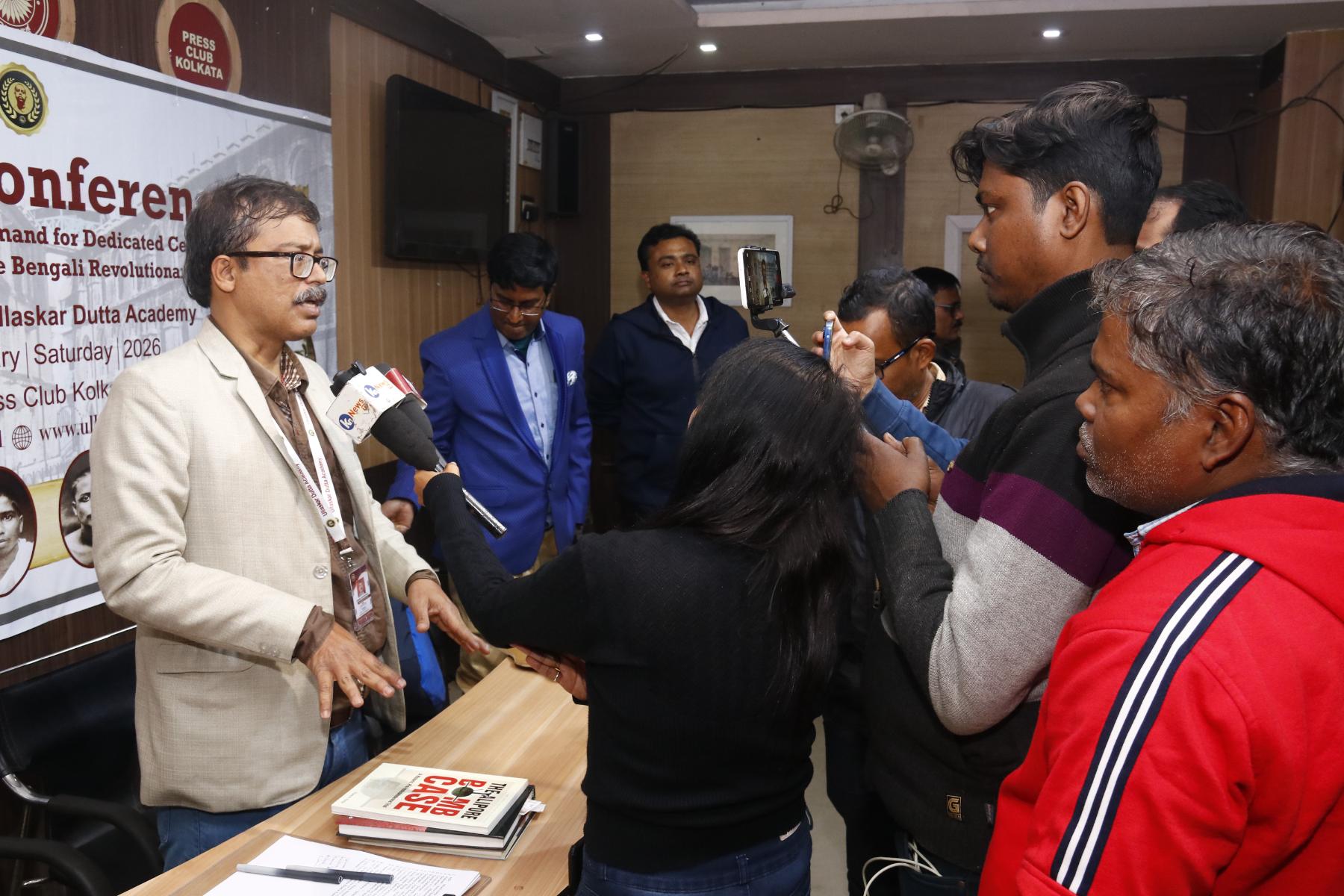
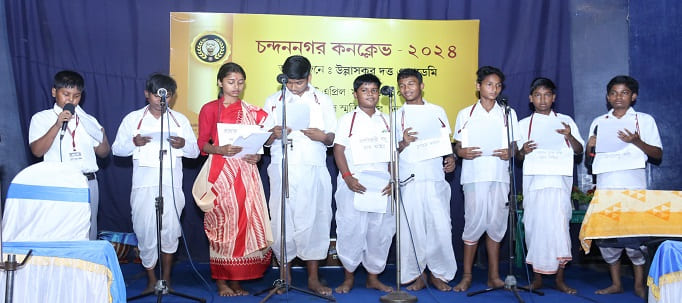
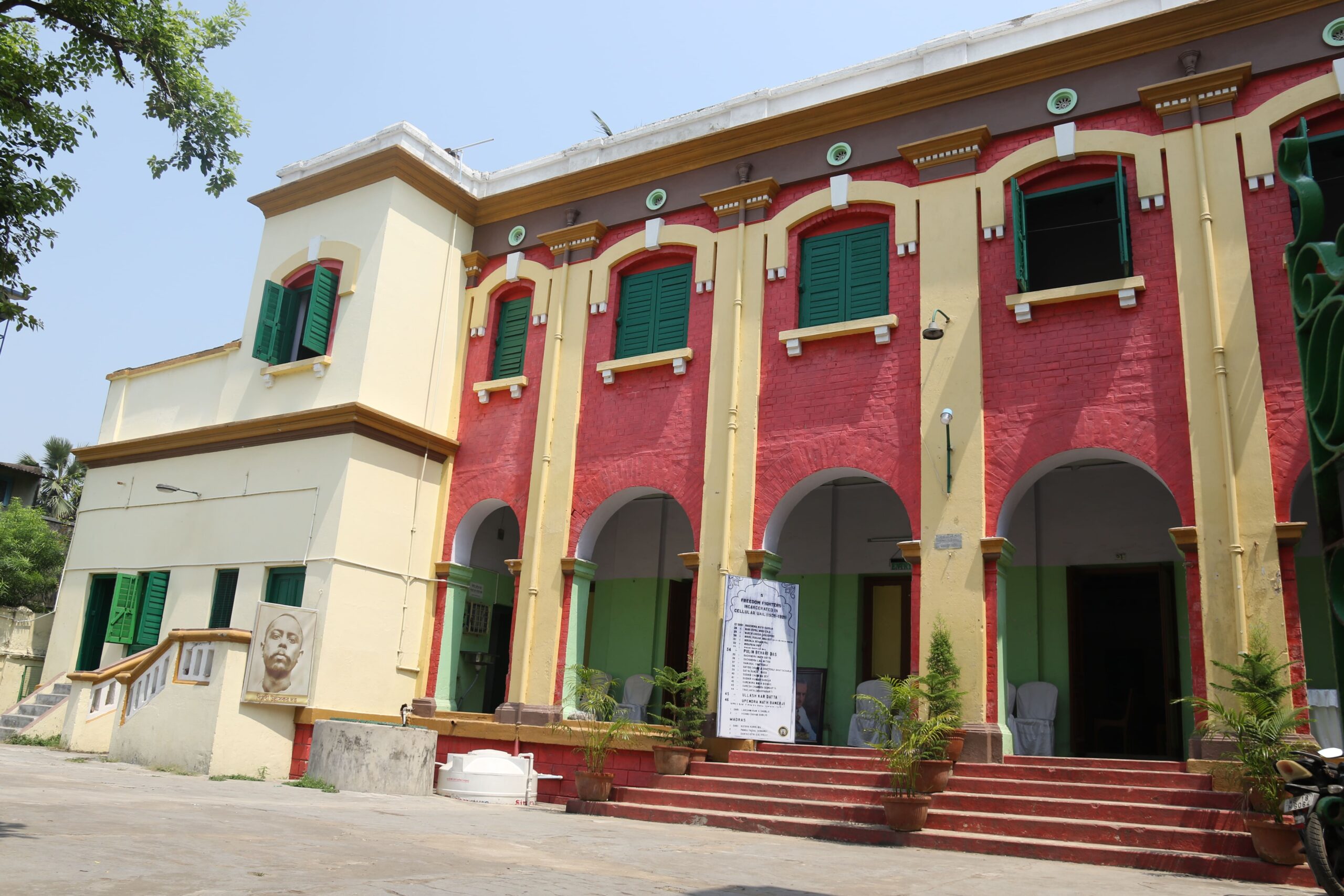
Ullaskar Dutta Academy, a research group named after fire brand revolutionary Ullaskar Dutta, today demanded that the union government ought to initiate immediate steps to dedicate cells at the Cellular Jail in the Andamans after 12 revolutionaries from undivided Bengal.
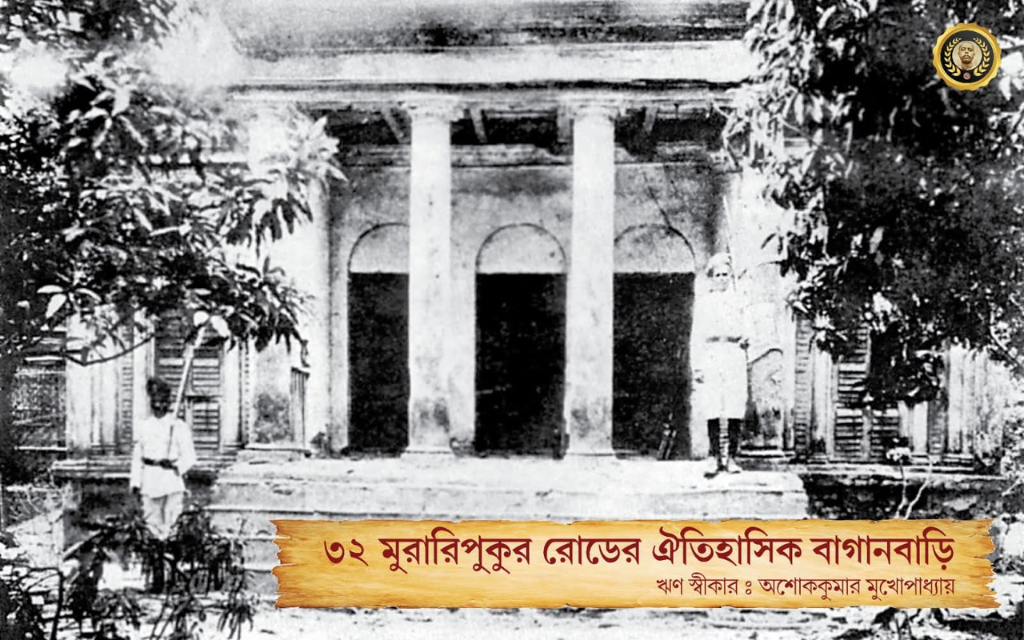
These freedom fighters who happened to be the maiden batch of political prisoners in the Jail, were deported there following a botched trial of the Alipore Bomb Conspiracy case in which Khudiram Bose, Kanailal Dutta and Satyendranath Bose were condemned to gallows.
The group has already written letters expressing their demand to Prime Minister Narendra Modi, Union Cultural Minister Gajendra Singh Shekhawat, West Bengal chief minister Mamata Banerjee and the Andaman & Nicobar administration so that the sacrifices and struggles of these dozen revolutionaries find due recognition in the annals of history of the country’s glorious freedom movement.
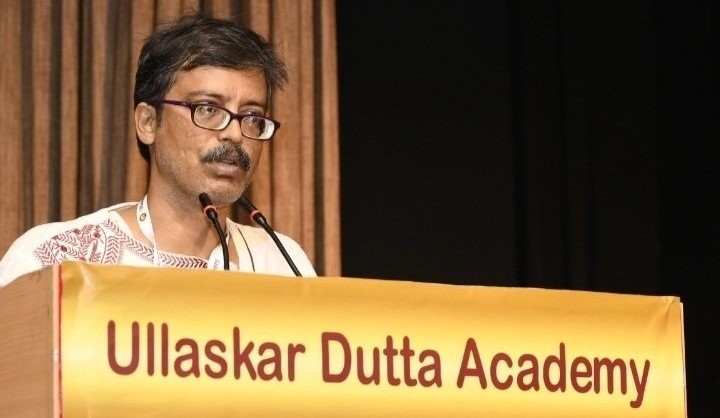
At present, two cells at the Cellular Jail have been dedicated to former inmates Vinayak Damodar Savarkar and Sachindranath Sanyal. According to Subhra Kanti Gupta, managing trustee of the Academy, the group believes that if the contribution of the maiden batch of the revolutionaries is recognised, it will usher in a new era in our national history.
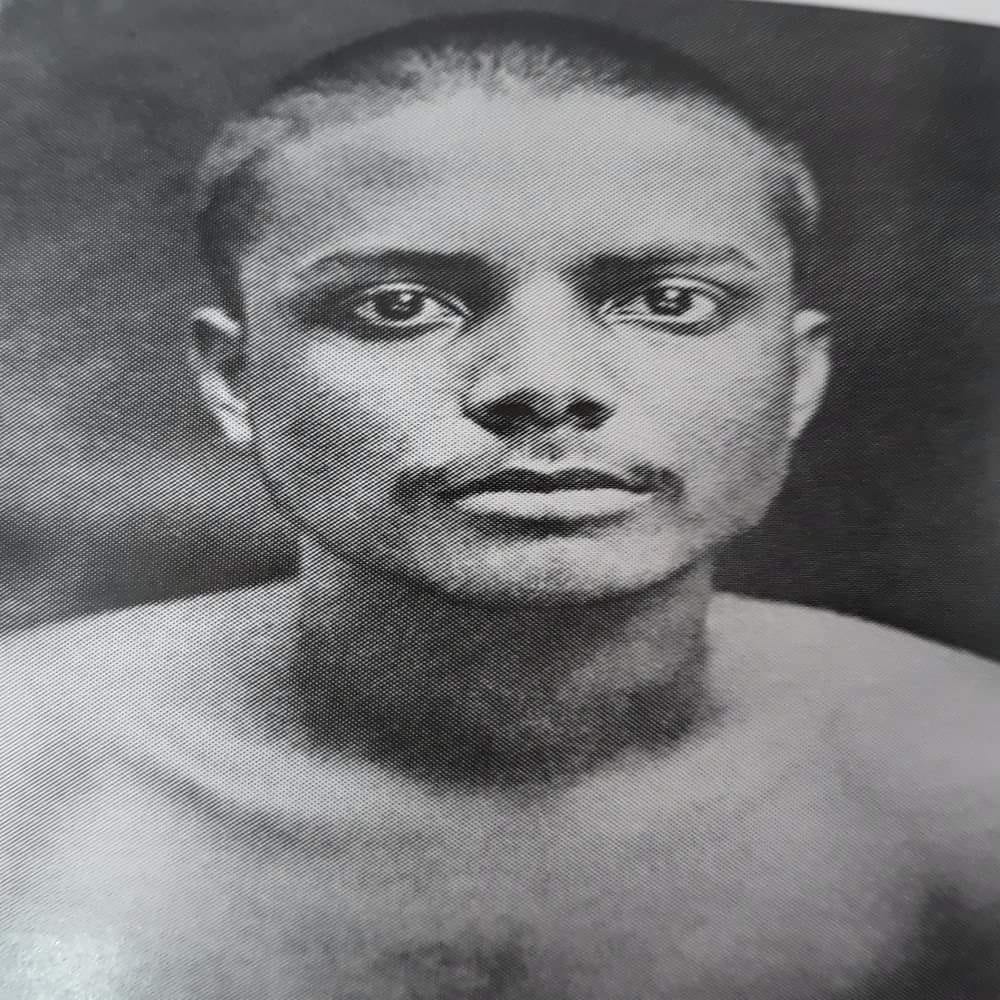
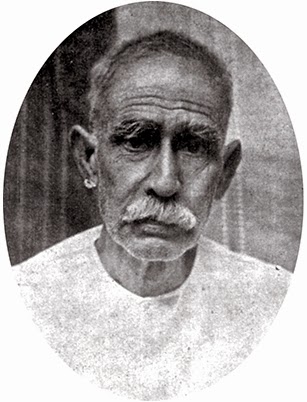
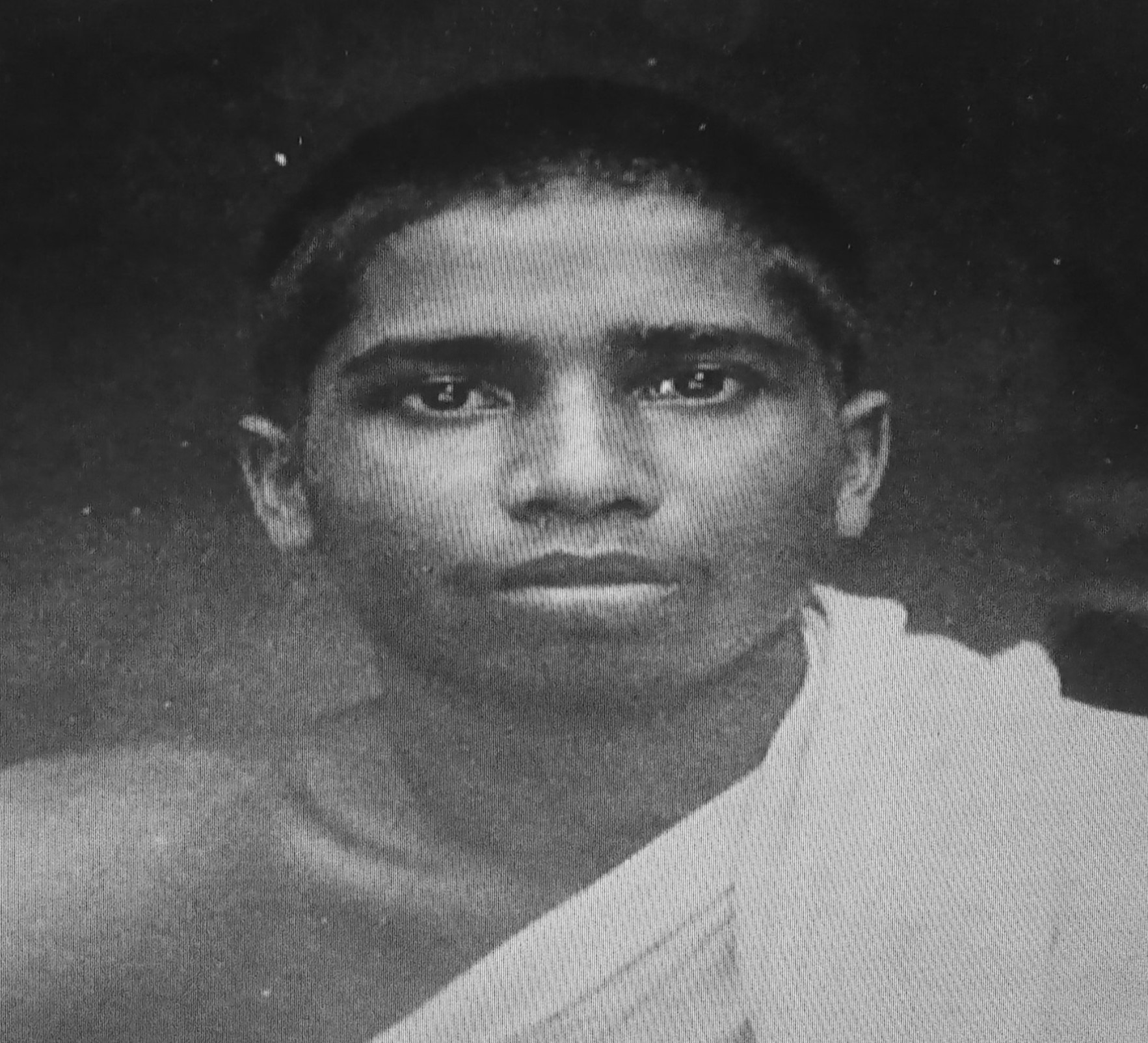
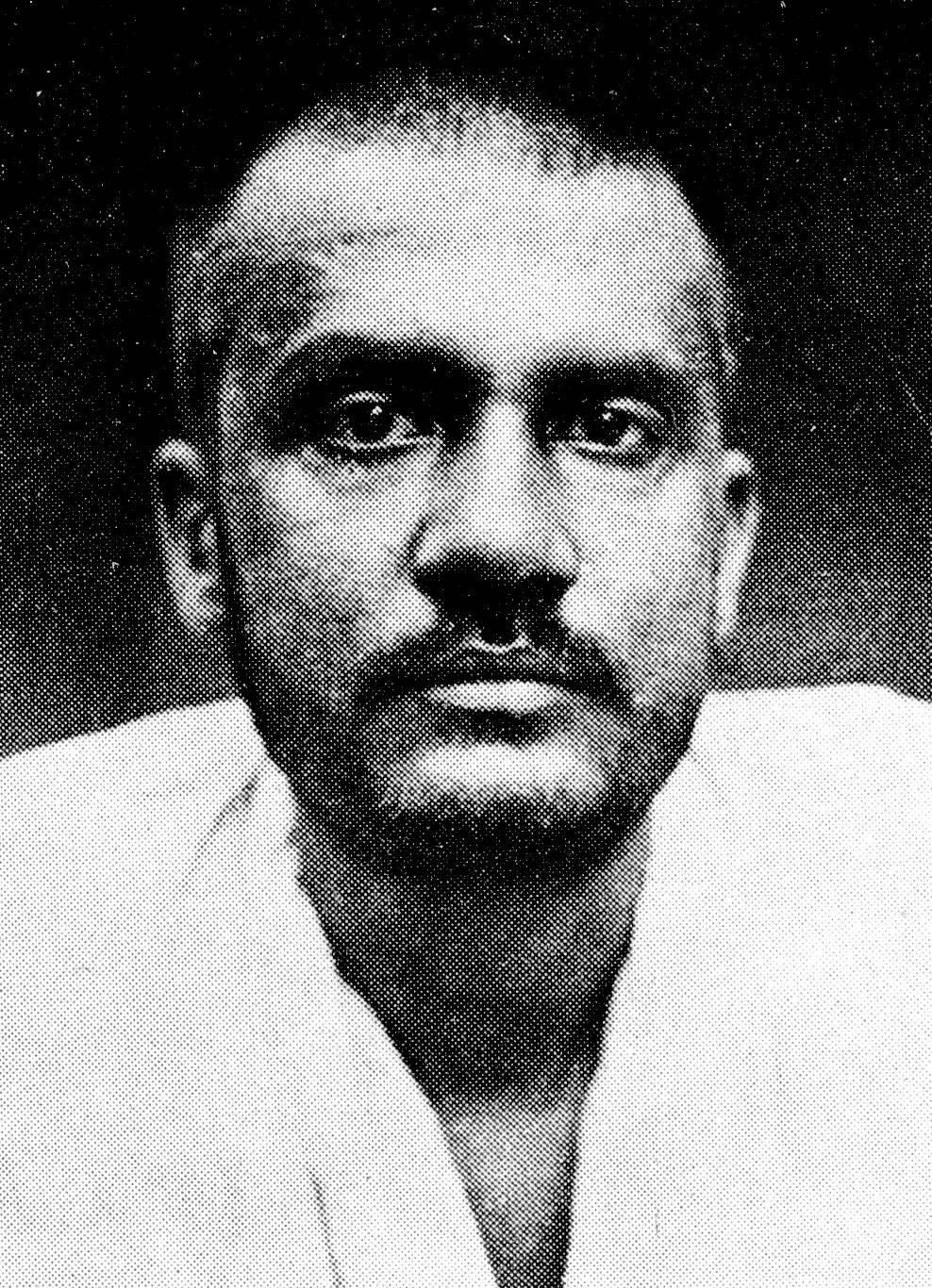
Among the several others who were sentenced to life imprisonment or long-term rigorous imprisonment, ten of them – Hem Chandra Das, Abinash Chandra Bhattacharya , Upendra Nath Banerjee, Bibhuti Bhushan Sarkar, Indubhushan Roy, Paresh Chandra Moulik, Hrishikesh Kanjilal, Biren Chandra Sen, Sudhir Kumar Sarkar and Nirapada Roy – were also deported to the Cellular Jail.
“The 12 political prisoners, including Ullaskar Dutta, Hem Chandra Das and Barindra Kumar Ghosh are considered to be the first revolutionaries to be sent to the Cellular Jail, as they were the maiden large group to be convicted for politically motivated crimes. They were sent to Kalapani to suffer rigorous imprisonment and cruelty. In their isolated cells, they were made to do gruelling chores and disobedience would be met with harshest torture,” said Mr Gupta.
“These revolutionaries are an integral part of India’s freedom struggle and their contributions have been wiped out from the pages of history. Just like separate cells have been dedicated in the name of Savarkar and Sanyal, it is time we recognise the struggle of the 12 revolutionaries and preserve their memories by dedicating separate cells for them at the Cellular Jail,” Mr Gupta vehemently argued.
Prasanta Paul, advisor to the Academy, said, “It is time we reassess the history of the freedom movement by focusing on the Bengali revolutionaries, who are youth icons, and sacrificed their lives for their motherland.” ■